Information news about energy

Comparing Solar Financing Solutions Available to Virginia Homeowners
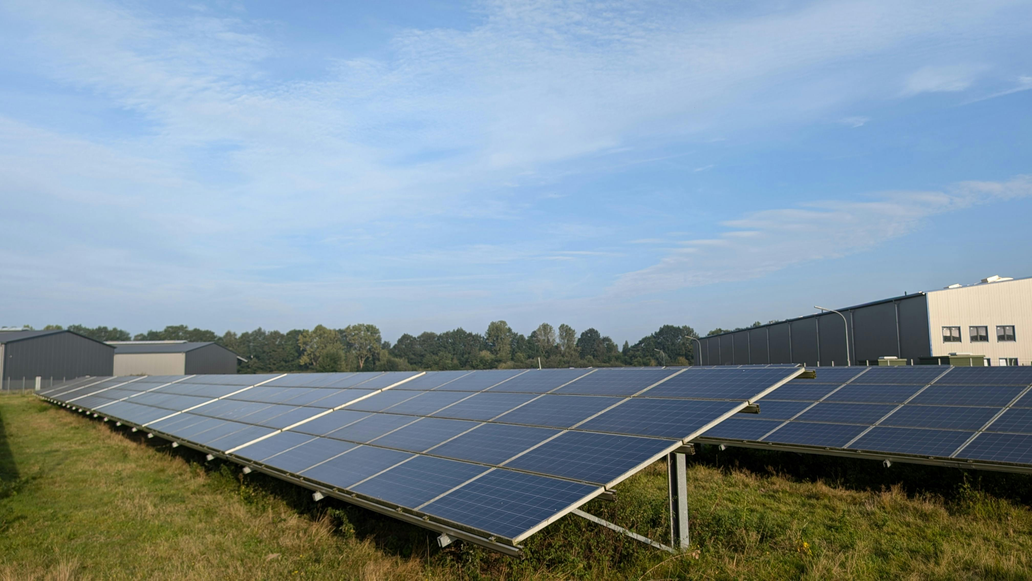
If you’re considering solar panels for your Virginia home, deciding how to pay for them is just as important as choosing the system itself. You’ll find several financing methods—each with unique perks, obligations, and potential savings. Tax credits and local incentives can make a big difference, but you need to know which option best suits your financial goals. Before you pick a path, there are a few factors you’ll want to weigh carefully.
Overview of Solar Financing Methods in Virginia
Virginia homeowners have access to various solar financing methods, which include solar loans, leases, and power purchase agreements (PPAs). Each option has distinct features and implications for potential users.
Solar loans are available from a range of lenders, including banks and credit unions. These loans typically offer fixed interest rates, with monthly payments determined by factors such as the borrower's credit score, property characteristics, and overall credit history. Homeowners may find this option advantageous if they intend to own the solar system outright over time.
Alternatively, solar leasing and PPAs allow homeowners to install solar panels with little to no upfront costs, as these arrangements involve a third-party company that retains ownership of the system. In the case of a lease, homeowners make regular payments to use the solar energy produced.
With a PPA, homeowners pay for the electricity generated by the system, usually at a predetermined rate per kilowatt-hour. Both leasing options can be appealing for those who want to avoid the initial investment typically required for solar installations.
Providers such as solarpanelvirginia.com and others in the network may offer competitive plans that feature lower interest or monthly payment structures, which can be beneficial for budget-conscious homeowners.
It is advisable for consumers to review feedback from existing customers and consult sources like the Better Business Bureau to inform their choices. This approach can help maximize potential net savings while also ensuring that the selected financing method aligns with their financial situation and energy needs.
Key Solar Incentives and Policies Impacting Financing
The financial landscape for solar adoption in Virginia is shaped by a series of incentives and policies that enhance affordability for homeowners. The 30% Federal Investment Tax Credit is a significant element, allowing homeowners to deduct a substantial portion of their installation costs from their federal taxes.
Additionally, Virginia's 1-to-1 net metering policy enables homeowners to receive credits for excess energy produced by their solar systems, which can further offset electricity expenses.
Property tax exemptions for solar installations also contribute to lowering the overall financial burden associated with solar adoption, as these exemptions prevent increases in property value assessments due to the addition of solar systems.
Financing options, including loans, leases, and Power Purchase Agreements (PPAs) provided by companies such as Sunrun, can also facilitate affordable entry into solar energy. These financing methods often feature various interest rates that can be influenced by the homeowner's credit score and credit history.
Moreover, examining lender terms and associated fees is essential for homeowners seeking to maximize their long-term savings.
The availability of Solar Renewable Energy Certificates (SRECs), alongside additional incentives and rebates, can enhance the overall financial viability of solar installations, making them a pragmatic choice for homeowners considering renewable energy solutions.
Types of Solar Loans Offered to Virginia Homeowners
A variety of solar loan options are available for homeowners in Virginia, allowing for financing that meets individual budgetary needs and long-term objectives.
Secured loans, which use the property as collateral, typically offer lower interest rates and extended repayment terms. Conversely, unsecured loans present the advantage of quicker approval processes, although they often come with higher interest rates, which can vary based on credit history and minimum credit score requirements.
Credit unions are noteworthy for often providing more competitive fixed interest rates and reduced fees compared to traditional lenders.
Engaging with lenders such as Sunrun or networks like the Business Bureau can provide insights into customer satisfaction and overall service quality.
When evaluating solar loan options, it is prudent for homeowners to compare essential factors, including monthly payment amounts, loan terms, and the potential net savings on utility bills.
This comparative approach can aid in selecting the most suitable financing option for a solar installation.
Comparing Solar Leases and Power Purchase Agreements
When considering solar energy for your home, it is important to evaluate the differences between a solar lease and a Power Purchase Agreement (PPA). Both options allow homeowners to adopt solar technology without making an upfront investment; however, they function in distinct ways.
In Virginia, a solar lease involves a fixed monthly payment for the duration of the agreement, whereas a PPA sets a rate based on the amount of energy produced.
It is important to note that under both arrangements, the homeowner does not own the solar panels. This means the homeowner is ineligible for certain tax benefits, such as the Federal Investment Tax Credit, and may also miss out on potential savings associated with net metering.
Solar companies, including providers like Sunrun, typically oversee the installation and maintenance of the system.
To make an informed decision, it is essential to carefully review the terms and conditions of each agreement, including any associated fees and the projected lifetime savings.
Additionally, a homeowner's credit score may influence the available options and financing terms. Seeking out reviews and comparing multiple companies that offer solar leases or PPAs can further aid in making a knowledgeable choice tailored to individual circumstances.
Top Solar Financing Companies and Loan Options
Numerous established companies in Virginia provide solar financing solutions, each offering a variety of loan structures and interest rates tailored to accommodate different homeowner requirements. Notable lenders such as Mosaic, GoodLeap, Sunlight Financial, and Dividend present loans with fixed interest rates beginning at 2.98%. These options are designed to assist homeowners in financing solar panel installations for their properties.
Each lender typically features flexible monthly payment plans, the absence of prepayment penalties, and loan terms that can extend into the tens of thousands of dollars. This variability in loan options can make solar ownership more accessible for many individuals.
Additionally, Energy Loan Network collaborates with credit unions, which may enhance the accessibility of loans for potential borrowers.
Homeowners seeking the most advantageous financing option should consider doing thorough research, including reading reviews, comparing fees, and understanding their credit score. This due diligence is essential for identifying financing solutions that maximize long-term savings.
Important Considerations When Selecting Solar Financing
When assessing solar financing options, it is essential to consider various factors that will impact both the affordability and practicality of the investment. In Virginia, a thorough review of loan terms is necessary; these terms typically range from 10 to 25 years and have a direct effect on monthly payments and the total interest accumulated over the duration of the loan.
It is advisable to ensure your credit score meets the lender's requirements, which generally start at 650 for optimal interest rates. A higher credit score can facilitate more favorable loan conditions and lower overall costs.
Options available for financing include loans, leases, and power purchase agreements (PPAs). Each of these options has distinct implications for ownership and potential savings, making it crucial to compare them carefully to identify the choice that aligns best with your financial objectives.
Additionally, conducting research on lenders through reviews and resources such as the Better Business Bureau can provide insights into their reputations and service quality.
It is also important to take into account any additional fees, prepayment penalties, and available incentives, such as tax credits, which can reduce the overall financial burden of the solar system over its operational lifetime.
Steps for Securing Solar Financing in Virginia
To begin the process of securing solar financing in Virginia, it is essential first to assess your home’s energy requirements, along with evaluating the suitability of your roof for solar installation.
These assessments will influence both the appropriate system size and the financing options available to you.
In Virginia, potential financing avenues include solar loans, leases, and power purchase agreements (PPAs). It is advisable to compare these options by examining variables such as interest rates, associated fees, and customer reviews of lenders and solar panel companies.
Your credit score is another critical factor; a higher credit score typically results in lower interest rates and more favorable financing terms.
Additionally, it is important to investigate available incentives and tax credits that may apply to solar installations in your state.
Take care to clarify the details regarding monthly payment obligations, installation timelines, and any prepayment penalties that may exist within your financing agreement.
Ultimately, your objective should be to identify the financing option that yields the greatest long-term net savings on your electricity costs, as well as maximizing the potential increase to your property’s value over its lifetime.
These analyses will help ensure that the decision made is substantiated by economic considerations relevant to your situation.
Conclusion
Before choosing a solar financing option, make sure you assess your financial situation and energy needs. Compare quotes, review the terms, and check provider reputations. Take advantage of Virginia’s incentives and keep up with program updates. Understanding loan or lease terms will help you maximize savings and avoid surprises. If needed, consult a financial advisor for personalized advice. A careful approach ensures you’ll make the best choice and get the most value from your solar investment.
 The pressing need for more sustainable energy