Information news about energy




What’s Included in a 25-Year Solar Performance Warranty?
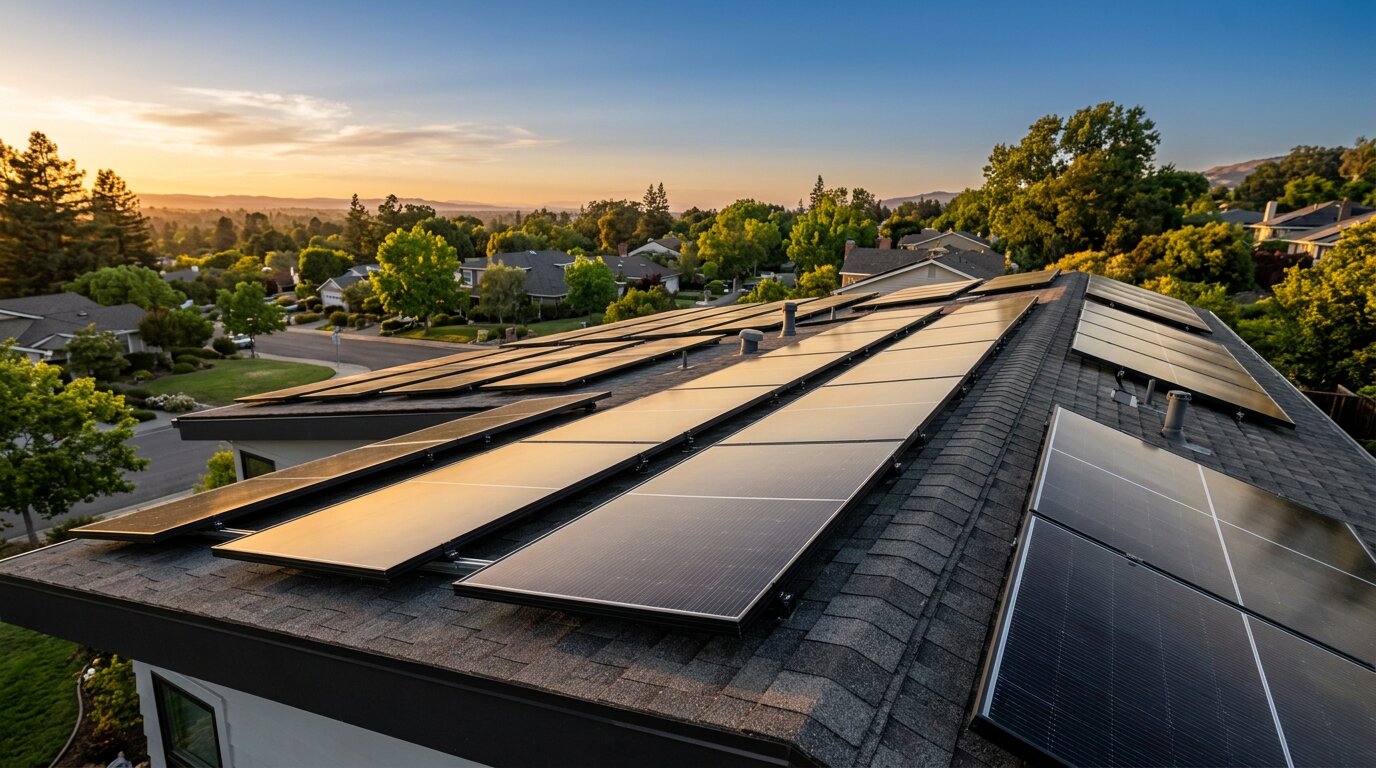
If you're considering solar panels, knowing what a 25-year performance warranty offers can make all the difference. You'll want clarity on what's actually protected, how manufacturers handle claims, and what conditions apply. This kind of warranty isn't just about the panels; it can also impact the value and reliability of your investment over time. Still, it's important to spot what might void your warranty—and whether these guarantees are truly as comprehensive as they seem.
Understanding Product and Performance Warranties
A solar panel warranty generally encompasses two primary components: product protection and performance guarantees. These warranties are designed to ensure that solar equipment—such as QCells panels, Enphase Inverters, or Tesla Powerwalls—remains functional and efficient over time.
Typically, a workmanship warranty is included alongside performance guarantees, which assure a minimum level of energy production over an extended period, often up to 25 years. This structure aims to maintain the output of solar panels close to their original capacity.
In locations such as San Diego, if a solar system does not meet the expected performance benchmarks, customers have avenues to seek recourse. They can either contact customer support or access their account online to explore potential compensation options.
Furthermore, it is advisable for customers to review the Product Warranty, Terms of Use, and Privacy Policy, as well as any specific offers from manufacturers. Understanding the details and limitations of these documents is essential for informed decision-making regarding solar investments.
Key Components Covered Under a 25-Year Warranty
Investing in solar panels typically involves a 25-year performance warranty, which serves as a commitment from manufacturers regarding the longevity and effectiveness of their products. This warranty delineates the specific protections provided and outlines the support available should the panels not meet expected performance levels.
Key elements commonly covered include guarantees regarding minimum power output, compensation for lost energy production, and stipulations for repair or replacement costs. For instance, reputable brands such as QCells, Enphase, and Tesla Powerwall generally commit to ensuring that their panels maintain an output of approximately 80-85% of their original capacity after 25 years.
Furthermore, many warranties also encompass aspects related to workmanship, equipment quality, peak system performance, and inverter functionality.
Customers interested in warranty specifics may find it beneficial to visit the respective manufacturer's online portal, where they can access account login, contact information, and review the Terms of Use or Privacy Policy associated with the warranty.
This comprehensive approach to warranty coverage not only instills a degree of confidence in product reliability but also assists consumers in making informed decisions concerning their solar investments.
How Solar Panel Degradation Impacts Performance Guarantees
Solar panels undergo a gradual decrease in energy output over time due to factors such as material degradation and exposure to environmental conditions. Performance warranties provided by manufacturers, including companies like QCells, Enphase, and Tesla Powerwall, stipulate a minimum percentage of expected output that the system should achieve each year.
For instance, many manufacturers, such as Freedom Solar, offer warranties that can extend up to 25 years, which assures consumers that their solar panels will continue to deliver sufficient power for applications like electric vehicle charging, particularly in regions like San Diego or those interested in Solar Power in Jacksonville, Florida.
It is essential for customers to monitor the performance of their solar systems to ensure adherence to warranty requirements. Manufacturers often provide access to monitoring services that allow users to track energy production and verify compliance with the stipulated performance guarantees.
Furthermore, warranties encompassing equipment and products are designed to help maintain predictable energy production and operating costs, thus providing consumers a level of assurance throughout the lifespan of the solar energy system.
It is advisable for users to review the Privacy Policy and Terms of Use associated with these services to understand the extent and limitations of such guarantees.
Distinguishing Between Workmanship and Product Warranties
It is important to understand the difference between workmanship and product warranties when investing in a solar energy system.
Workmanship warranties, typically provided by reputable installers in San Diego, address issues related to the installation process. This warranty ensures that the system is mounted and integrated correctly, which is vital for achieving the expected performance levels.
In contrast, product warranties are issued by manufacturers such as QCells and Enphase. These warranties cover defects in the actual components of the system, including panels, inverters, and energy storage solutions like the Tesla Powerwall.
Manufacturers generally provide assurances that their panels will maintain a certain level of operational efficiency over time, often guaranteeing at least 90% of original output after a period of 10 years.
It is advisable to carefully review the terms associated with both types of warranties, including the Terms of Use and Privacy Policy, to fully understand the scope of coverage.
Should there be any uncertainties, potential buyers should reach out to professionals for clarification before proceeding with a solar energy investment.
Common Exclusions and Factors That May Void Warranty Coverage
A 25-year solar performance warranty can be a valuable assurance for consumers, but it's important to recognize that certain exclusions and conditions may lead to a voiding of coverage. Engaging unlicensed contractors or opting for DIY installation can nullify the warranty associated with your solar panels, equipment, and services.
Additionally, most manufacturer warranties, including those from QCells and Enphase, typically exclude damages resulting from natural disasters or unauthorized repairs.
To maintain warranty validity, adherence to recommended maintenance protocols is essential, as failure to comply may adversely affect performance claims. System monitoring is also crucial; keeping track of energy production, original output, and peak power is particularly important for products such as the Tesla Powerwall and associated inverters.
For customers in San Diego, it is advisable to review the Terms of Use and Privacy Policy provided by the manufacturer and to report any issues without delay to ensure proper handling of warranty-related concerns.
Comparing Warranty Coverage Across Leading Solar Brands
When evaluating the performance warranties of leading solar brands, it is essential to consider the implications for long-term investment and energy production. A comparative analysis reveals notable differences in warranty terms and performance guarantees among various manufacturers.
For instance, QCells offers a 25-year warranty that guarantees 90.58% of the original power output at the end of the warranty period. In contrast, the REC ProTrust warranty assures a 92% output in the final year, providing a higher performance threshold towards the end of its coverage.
Maxeon differentiates itself with a 40-year warranty, ensuring a peak power output of 88.25%, which extends the duration of coverage compared to competitors.
Additionally, Freedom Solar provides a 25-year workmanship warranty that encompasses not just the solar panels but also equipment, inverters, and services, thereby offering an inclusive protective measure for customers.
The longevity of solar panels plays a critical role in their energy production capabilities, overall system costs, and compatibility with energy storage solutions such as electric vehicles or the Tesla Powerwall.
For an informed decision, it is advisable to review each manufacturer's specific warranty terms, conditions, and privacy policies. This careful examination can help consumers assess the relative value and reliability of the products in question.
Steps and Documentation Required for Filing a Warranty Claim
Filing a solar performance warranty claim involves several specific steps and the collection of essential documentation. Initially, it is important to gather key documents, including proof of purchase, installation records, and current system monitoring data. This documentation is crucial in providing evidence that your solar panel system, or Tesla Powerwall, has not achieved the minimum performance levels as stated in the warranty, such as a shortfall in energy production compared to the guaranteed output.
The first point of contact for any warranty claim should be the installers or service providers, particularly for issues related to workmanship or equipment failure. If the matter remains unresolved at this level, you may need to escalate the claim to the product manufacturer, which may include companies like QCells or Enphase, depending on the components of your system.
It is also advisable to review the warranty's Terms of Use and Privacy Policy prior to filing a claim, as this can provide valuable insight into the specific conditions and requirements associated with the warranty.
Keeping your documentation up-to-date is essential; it strengthens your claim regardless of your location, whether in San Diego or another area.
Overall, approaching the warranty claim process systematically ensures that you are prepared and informed, enhancing the likelihood of a successful outcome.
Transferring Warranty Coverage When Selling Your Home
When selling a home equipped with a solar panel system, it is crucial to understand the implications of warranty transferability. Many solar performance warranties, which typically span a period of 25 years, can be transferred to the new owner of the property.
As the seller, retaining all relevant warranty documentation—covering areas such as equipment and workmanship—is essential. It is advisable to communicate the specifics of the warranty coverage to potential buyers, including details regarding panels, inverters, and any associated battery products like the Tesla Powerwall.
The process of transferring the warranty often incurs a fee ranging from $100 to $300 and must be completed within a timeframe of 30 to 90 days post-closing.
Manufacturers such as QCells and Enphase provide warranties that ensure the solar panels maintain a minimum expected output over their lifespan. This assurance can contribute positively to the buyer's confidence in the long-term energy production capabilities of the system.
Overall, understanding the warranty transfer process can play a significant role in facilitating the sale of a home with solar energy features.
Optimizing Long-Term Savings Through Comprehensive Warranty Protection
Investing in a solar system that includes a 25-year performance warranty can provide long-term savings through consistent energy production and financial returns. Comprehensive warranty options typically encompass Product, Workmanship, and Equipment coverage from reputable manufacturers such as QCells, Enphase, and Tesla Powerwall. This ensures that solar panels maintain a minimum percentage of their original output over time, which can lead to optimized savings on utility bills.
Furthermore, regular monitoring services can help identify any underperformance within the system, thereby ensuring that it operates at maximum efficiency.
Thorough documentation of the warranty terms is essential, as it allows homeowners to understand their rights and obligations, as well as the specific terms of coverage. This proactive approach can mitigate unexpected costs and protect the investment, regardless of the homeowner's location, whether in San Diego or elsewhere.
Overall, selecting a solar system with a comprehensive warranty is a strategic decision that can safeguard against potential issues while maximizing the economic benefits of solar energy production.
Conclusion
When you’re considering solar, understanding the specifics of a 25-year performance warranty empowers you to protect your investment. By knowing what’s covered, what’s excluded, and how to file a claim, you can maximize your energy savings and enjoy peace of mind. Take time to compare warranties and follow maintenance guidelines to keep your coverage intact. A comprehensive warranty ensures you’ll benefit from reliable solar performance and solid long-term financial returns for years to come.
 The pressing need for more sustainable energy